Cars: Step-by-Step Guide to Buying Your Ideal Car
Online car dealers now let you move from browsing to keys-in-hand with a clear, step‑by‑step path instead of confusing sales talk. In this guide, you walk through each decision in order: setting a real‑world budget, choosing between new and used, checking a car’s history, and wrapping up the paperwork without surprises.
You will see where online tools help, where you still need to insist on seeing the car, and how to avoid the traps that catch first‑time buyers in South Africa.
Follow these steps to move from browsing to driving the right car for your budget with confidence.
VISIT OFFICIAL WEBSITE- Turn a messy list of cars for sale online into a clear shortlist that actually fits your needs and budget.
- Spot red flags in ads, history reports and seller behaviour before you waste time or money.
- Compare like‑for‑like offers across multiple car shopping websites so you do not overpay for the same vehicle.
- Structure viewings, inspections and test drives so you catch issues that photos and listings hide.
- Close the deal and handle payment, paperwork and delivery in a way that protects you legally and financially.
Turn Online Listings into a Focused Shortlist
Online car dealers make it feel like you can lock in a deal in a few clicks, but the smart buyers slow down for one hour and plan the journey. This page picks up from your initial research and turns it into a clear checklist you can actually follow.
You already know how to narrow down cars for sale online by price and basics. Now you will dig into the details that separate a solid buy from an expensive headache.
Start by turning your rough monthly number into a full cost picture: insurance, licensing, fuel, tyres and unexpected repairs. A car that just fits your instalment limit on paper can wreck your budget once those extras hit.
Use car shopping websites and an affordability calculator to test different scenarios before you speak to a bank. Going in with a realistic limit gives you more confidence to walk away from deals that stretch you too far.
If money is tight, this planning stage is where you decide whether you can comfortably buy new car online or should rather buy used car online through a trusted dealer. There is no one right answer, only what fits your situation.
Being honest here saves you from regretting the purchase every payday. A car that feels slightly less exciting but leaves room in your budget will usually feel like the better choice six months down the line.
Why Buying Online Works for South Africans
- You can shop for cars online across the whole country, not just within driving distance of your suburb.
- It is easier to line up specs, mileage, price and extras side by side using car buying sites online than it is on a forecourt.
- Digital trails, reviews and finance integration on a solid car dealer website help you check credibility before you share documents or money.
What You Still Need to Watch Out For
- Some listings look perfect but hide gaps in service history or undisclosed accident damage that only deeper checks will reveal.
- Private sellers and smaller dealers might push for fast EFT payments or deposits before you have seen the car or its papers in person.
- Delivery and return arrangements can be vague if you do not get them in writing, which makes resolving post‑sale issues difficult.
How to Vet online car dealers Before You Commit
Once you know what you can afford, it is time to turn a long list into three or four serious contenders. Shop for cars online using filters for mileage, age, fuel type, transmission and must‑have safety features, not just colour and rims.
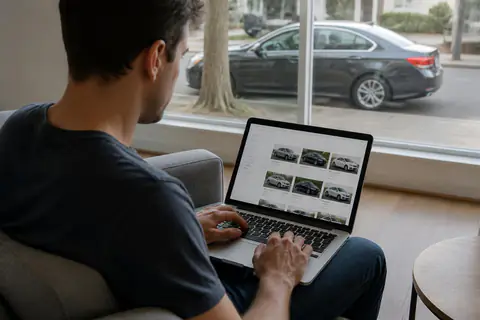
On each car dealer website, save a shortlist instead of opening dozens of random tabs. When you compare side by side, weak options drop out quickly and you can focus on the few that genuinely suit your life.
Now go deeper than photos. Read the description line by line to spot accident mentions, aftermarket modifications and gaps in service history. Cross‑check asking prices against other used cars online with similar year, mileage and trim.
If a car is much cheaper than similar listings, treat it as a red flag to investigate, not an automatic bargain. A healthy deal normally sits close to the middle of the price range, not at the extreme bottom.
Before you drive across town, message the seller through the car buying sites online you are using and ask for a detailed video walkaround. Get a close look at the tyres, interior, service book and dash warning lights while the car is running.
A seller who dodges simple requests is telling you what kind of after‑sales support you can expect. Walking away at this stage costs nothing and keeps your shortlist full of realistic, cooperative options.
Comparing New vs Used When You Buy Cars Online
With one or two favourites in mind, you now move from browsing to checking the actual vehicle and its paperwork. Whether you want to purchase car online from a dealer or private seller, this is the point where you slow down again.
Always insist on viewing the car in daylight at a safe, public location or the dealership premises. Bring a simple inspection checklist or a trusted mechanic if you are not confident spotting problems yourself.
Start with basics: body panels lining up, even gaps, matching paint, and no obvious rust or overspray. Inside, look for water damage, worn pedals that do not match the mileage and warning lights that stay on after the engine starts.
Then test‑drive on mixed roads, listening for knocks, rattles and gearbox issues. If anything feels off, tell the seller you need time to think and keep comparing other cars for sale online instead of forcing the deal.
Paperwork matters as much as the test‑drive. Check the registration document, proof of ownership and licence disc, and make sure the VIN and engine numbers match the car. Ask for service records and any warranty or maintenance plan details in writing.
When you buy vehicle online from online car shopping platforms, use their secure communication channels and avoid instant payment links. Clear documents plus a clean history report reduce nasty surprises after you take delivery.
-
Lock in Your Realistic Budget and Non‑Negotiables
Step 1 is to lock in a realistic total budget before you fall for a specific model. Use car shopping websites with affordability tools to see how different prices translate into monthly costs, including insurance and fuel.
This protects you from being upsold into a deal that “just stretches” your limit but quietly squeezes the rest of your life.
-
Shortlist on Multiple Platforms Instead of Just One
Step 2 is to decide whether you will buy new car online or focus on used stock. New offers more warranty and predictable costs, while used can get you more car for the same money if you are willing to check condition more carefully.
Being clear on this choice upfront keeps you from wasting time on listings that do not match your risk tolerance or budget.
-
Verify History, Condition and Paperwork Upfront
Step 3 is to build and refine your shortlist on two or three trusted websites to buy cars. Filter by price, mileage, age and safety gear, then bookmark only the few options that genuinely match your needs.
Comparing a tight shortlist side by side exposes overpriced or poorly specced cars quickly, so you only invest energy in serious contenders.
-
Arrange Safe Viewings, Inspections and Payment
Step 4 is to verify both the metal and the paperwork before committing to pay. View the car in person, arrange a test‑drive, and check documents, service history and any finance or settlement notes you are given.
Following this order turns a messy search into a repeatable process you can use every time you decide to purchase car online again.
Follow these steps to turn online browsing into a signed deal on the right car, without losing control of your budget or safety.
VISIT OFFICIAL WEBSITEClosing the Deal: From Offer to Delivery
At this stage you are choosing where to actually complete the deal, not just where to browse. The best website to buy cars for you is the one that clearly shows full pricing, dealer details, independent reviews and support if something goes wrong.
South African buyers often mix a big marketplace with one or two strong brand‑specific online car dealers to cover both variety and depth.
Look for car dealer website layouts that feel transparent: clear fees, no forced add‑ons, and realistic photos that match what you see on arrival. Strong car shopping websites also explain finance and trade‑in steps in plain language.
If a platform or seller is vague, slow to answer or pushes you to rush, treat that as a warning sign and move to other car buying sites online with better support and reputation.
With the right tools and a calm process, you can confidently buy cars online without turning it into a full‑time job or a gamble. You have seen how to budget, shortlist, inspect and finalise the handover so each step builds on the last.
Use this guide as a checklist each time you shop for cars online, whether you are trading up or helping family. And whenever you are unsure about finance, contracts or legal details, speak to a qualified professional before you sign anything.